The Art and Culture of Chinese Tea: A Journey Through Tradition and Taste


 Locked


 
|
 Chinese Tea is more than just a beverage; it is an integral part of Chinese culture, rich in history and tradition. With a history that dates back thousands of years, tea has evolved into a sophisticated art form, celebrated across the globe for its health benefits, diverse varieties, and unique brewing techniques. In this article, we will explore the fascinating world of Chinese tea, including its different types, health benefits, and traditional preparation methods. ### A Brief History of Chinese Tea The origins of Chinese tea can be traced back to approximately 2737 BC when Emperor Shen Nong is said to have discovered it accidentally when leaves from a wild tea tree fell into boiling water. Over the centuries, tea became an essential part of everyday life and cultural practices. During the Tang Dynasty (618-907 AD), tea drinking gained popularity and laid the groundwork for its essential role in Chinese society. By the Song Dynasty (960-1279 AD), it became a form of art, with elaborate tea ceremonies evolving to emphasize refinement and aesthetics. ### Types of Tea Ware Collection - Complete Teapots, Cups & Accessories | ICHTEA 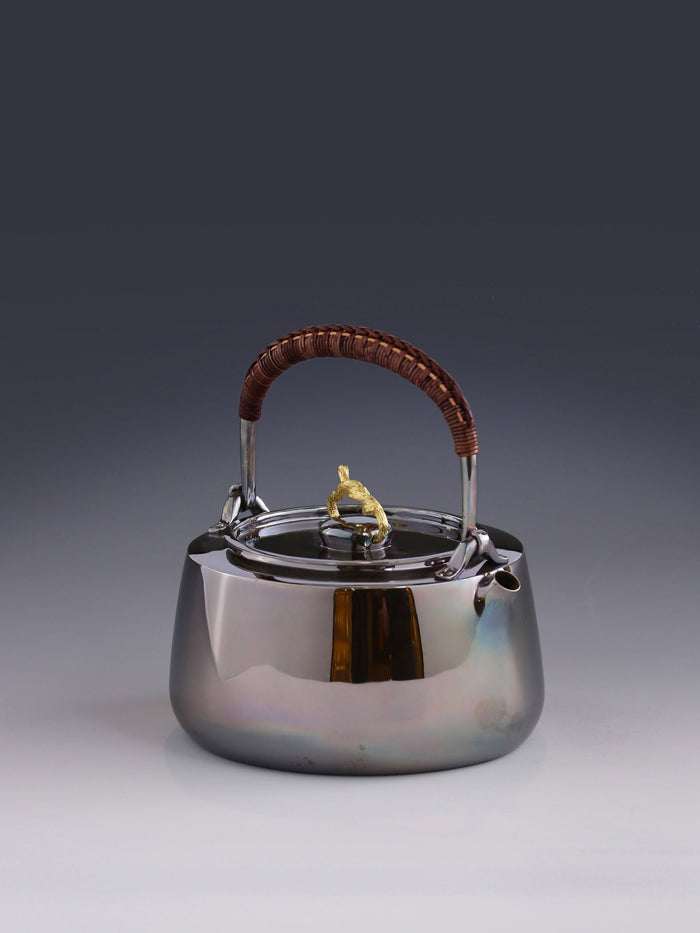 Chinese tea is diverse, with over a thousand varieties categorized into six main types based on their processing methods: 1. **Green Tea**: Known for its refreshing taste and health benefits, green tea is unoxidized and retains its green color. Famous varieties include Longjing (Dragon Well) and Biluochun (Green Snail Spring). 2. **Black Tea**: Fully oxidized, black tea offers a stronger flavor profile. Chinese black teas like Keemun and Lapsang Souchong are renowned for their fragrant aromas. 3. **Oolong Tea**: This semi-oxidized tea ranges between green and black tea in flavor and color. Tieguanyin (Iron Goddess of Mercy) and Da Hong Pao (Big Red Robe) are popular oolong options. 4. **White Tea**: The least processed of all tea types, white tea is made from young leaves and buds. Its delicate flavor is best exemplified by Silver Needle and White Peony. 5. **Pu-erh Tea**: A fermented tea that improves with age, Pu-erh offers a unique earthy taste. It is produced in Yunnan province and is often compressed into cakes. 6. **Yellow Tea**: A rare and lightly fermented tea, yellow tea has a rich, mellow flavor. Junshan Yinzhen (Junshan Silver Needle) is one of the most sought-after varieties. ### Health Benefits of Tea Moodscape - Curated Teas for Every Moment & Mood | ICHTEA  The health benefits of Chinese tea are well-documented and include: - **Antioxidant Properties**: Rich in polyphenols, tea helps combat oxidative stress and may reduce the risk of chronic diseases. - **Weight Management**: Certain teas, such as green tea, can assist in weight loss by enhancing metabolism. - **Heart Health**: Regular consumption of black and green tea is associated with lower blood pressure and improved cardiovascular health. - **Mental Clarity**: The L-theanine found in tea can promote relaxation while also enhancing focus and cognitive function. - **Digestive Aid**: Pu-erh tea is particularly known for its digestive benefits. ### Traditional Chinese Tea Preparation The preparation of Chinese tea is an art that involves precision and care. The traditional Chinese tea ceremony emphasizes the experience of tea drinking. Steps may include: https://ichtea.com/collections/seating-furniture 1. **Choosing the Right Tea**: Depending on personal preferences and the time of day, select the appropriate tea type. 2. **Water Quality**: Pure, fresh water is essential for optimal flavor. Ideally, use spring water or filtered water. 3. **Temperature Control**: Each tea type requires a specific water temperature for steeping—green tea benefits from cooler temperatures, while black tea requires boiling water. 4. **Tea-to-Water Ratio**: Use the right amount of tea leaves—typically 1-2 grams per 100 ml of water. 5. **Steeping Time**: Pay attention to steeping times—generally, green tea should steep for 2-3 minutes, while black tea can steep for 3-5 minutes. ### Conclusion Chinese tea is a treasure trove of flavors, health benefits, and cultural significance. From the moment the leaves touch the water to the final sip, every aspect of Chinese tea offers a deep connection to history and tradition. Whether you are a novice or a seasoned tea enthusiast, exploring the world of ichtea is an enriching experience that transcends time and borders. So, steep a cup, take a moment to savor, and discover the elegance found in every drop of this ancient brew. |
«
Return to CivicAccess
|
1 view|%1 views
| Free forum by Nabble | Edit this page |